
When an old dog starts peeing in the house after years of good habits, it’s upsetting and often worrying for owners.
This sudden change is rarely about “bad behavior” and is much more likely linked to physical changes, illness, or age-related decline.
Table of Contents
Old Dog Started Peeing in House: Why It Happens
An old dog starting to pee in the house is usually a sign that their body or brain can no longer control urination the way it once did.
Aging affects bladder strength, hormone balance, nerve signals, and mobility, all of which play a role in continence.
Medical conditions such as infections, kidney disease, or cognitive changes are far more common causes than defiance or training failure.
Understanding the reason behind the accidents is the key to helping your dog, not punishing them.
Old Dog Started Peeing in House: Symptoms
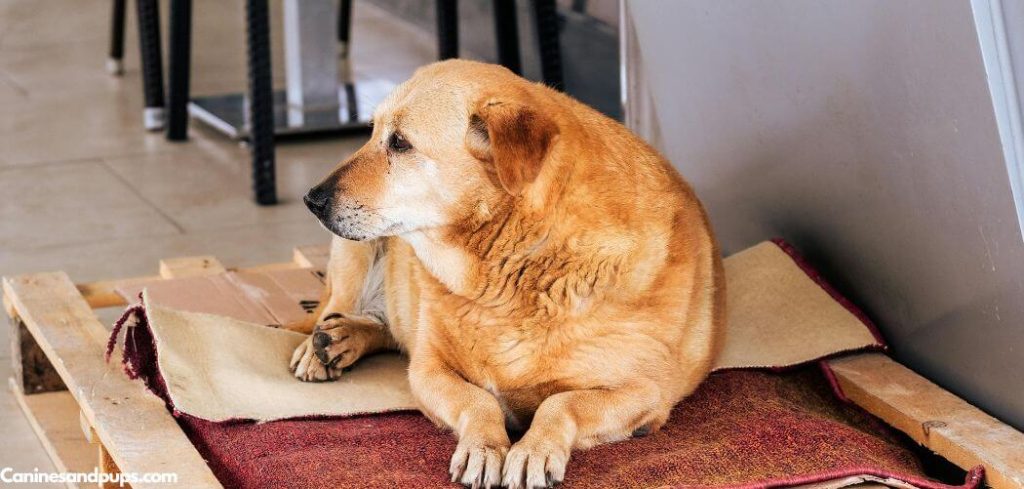
When an older dog suddenly starts peeing in the house, it’s usually a sign of an underlying issue rather than a training problem. This change often reflects medical conditions, reduced bladder control, or age-related cognitive changes.
New or increased indoor accidents despite prior house training
Urgency to urinate or frequent attempts to go outside
Dribbling urine or leaving small puddles
Increased thirst in some cases
Restlessness or pacing before accidents
Possible confusion or disorientation, especially at night
Old Dog Started Peeing in House: Common Causes
Urinary Tract Infection (UTI)
UTIs are one of the most common reasons senior dogs suddenly lose house training.
Infection causes inflammation of the bladder, leading to urgency, discomfort, and frequent attempts to urinate. An old dog may not be able to hold urine long enough to make it outside.
You may notice increased frequency, straining, licking the genital area, or accidents with only small amounts of urine.
Related: Old Dog UTI (Signs, causes and treatment)
Incontinence
Aging weakens the muscles that control urine flow. As bladder and sphincter muscles lose strength, urine may leak without the dog realizing it.
This often happens when the dog is resting, sleeping, or getting up from lying down.
Dogs with this issue are not choosing to pee inside and cannot control it voluntarily.
Cognitive Dysfunction
Mental changes can disrupt learned behaviors. Dogs with cognitive dysfunction may forget where the door is, fail to recognize the urge to go outside, or become disoriented and urinate indoors.
This condition is common in older dogs and often worsens at night.
Accidents are usually accompanied by pacing, confusion, staring, or changes in sleep patterns.
Related: Old Dog Syndrome (Causes and treatment)
Kidney Disease
Kidney disease causes dogs to produce more urine than normal. As kidney function declines, the body struggles to concentrate urine.
The bladder fills faster, and your dog may not be able to hold it until the next bathroom break.
Increased thirst, weight loss, reduced appetite, or lethargy often appear alongside accidents.
Hormonal Disorders
Hormonal imbalances significantly affect urination. Conditions such as diabetes or Cushing’s disease cause excessive thirst and frequent urination.
The increased volume overwhelms bladder control, leading to accidents even in well-trained dogs. These dogs may also show changes in appetite, energy levels, or body shape.
Pain
Pain can prevent timely bathroom trips. Dogs with arthritis, hip disease, or spinal pain may know they need to go out but physically struggle to get there in time.
Stairs, slippery floors, or cold weather can worsen the problem. You may notice hesitancy to move, stiffness, or reluctance to go outside.
Neurological Problems
Nerve damage disrupts bladder control. Spinal disease, nerve compression, or brain disorders can interfere with signals between the bladder and the brain.
When these signals fail, the dog may not feel the urge to urinate or may be unable to hold urine. Neurological causes are often progressive and require veterinary evaluation.
Medication Side Effects
Some medications increase urination or reduce bladder control. Diuretics, steroids, and certain neurological or heart medications can lead to increased urine production or weakened control.
Accidents that begin after starting a new medication should always be discussed with your veterinarian.
What to Do
Start by ruling out medical causes rather than assuming behavior problems.
Increase bathroom breaks, especially first thing in the morning, after meals, and before bedtime. Shorter intervals help prevent accidents caused by urgency.
Make it easier for your dog to go outside by improving traction, adding ramps, or reducing obstacles that slow movement.
Use waterproof bedding and washable pads indoors to protect surfaces while you work toward a solution.
Avoid punishment. Accidents are rarely intentional in senior dogs and punishment increases anxiety, which can worsen the problem.
When to Call or Visit Your Vet
Schedule a veterinary visit if indoor accidents begin suddenly or worsen quickly.
Seek immediate care if accidents are accompanied by blood in urine, straining, pain, fever, vomiting, or sudden behavior changes.
Veterinary evaluation is especially important if your dog is drinking excessively, losing weight, or showing signs of confusion or weakness.
Old Dog Started Peeing in House: Treatment
Treatment focuses on identifying the cause through urine tests, bloodwork, and sometimes imaging. Common causes include urinary tract infections, kidney disease, diabetes, or age-related incontinence.
Treatment may include antibiotics for infections, medications to improve bladder control, or management of underlying conditions through diet and medication. If cognitive decline is involved, supportive medications or supplements may be recommended.
Your vet may also suggest practical adjustments, such as more frequent bathroom breaks, maintaining a consistent routine, and managing the home environment to reduce accidents and keep your dog comfortable.
Key Takeaway
When an old dog starts peeing in the house, it is almost never a training issue. Aging brings physical, hormonal, and neurological changes that make bladder control harder, even for the most well-trained dogs.
With compassion, observation, and veterinary guidance, many causes can be treated or managed effectively. Addressing the underlying issue early can greatly improve your dog’s comfort, dignity, and quality of life.


